
ARCADE 2026
Two Intensive Study Weeks
- Iceland: January 25 – February 1, 2026
- Greenland: June 5 – 12, 2026
International travel and accommodation costs were covered by Erasmus+ funding.
Online Learning and Collaboration
- Between the two intensive weeks, participants took part in bi-weekly online seminars led by experts from partner universities and engaged in collaborative group work to develop joint outputs.
Collaborative Projects
Students:
- Developed a joint policy paper, integrating insights from the program into evidence-based policy recommendations.
- Co-produced a podcast series focused on Arctic issues, strengthening communication skills and public engagement.
January
The program begun with a series of introductory online sessions. Students were introduced to the Arctic region, Arctic research challenges, and interdisciplinary methodologies. They also received podcast training and were assigned to their Group Project and Podcast teams.
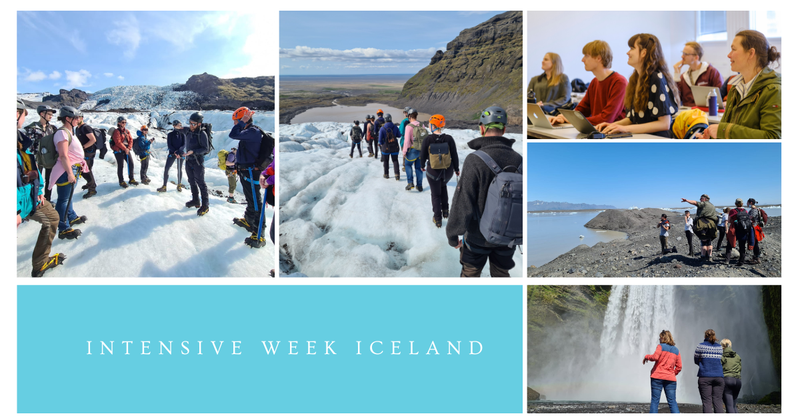
Intensive week in Iceland: January 25 – February 1
The first week-long intensive program took place in Iceland.
Students met in person for lectures, workshops, and field visits, focusing on climate change, governance, and resilience in the Arctic region.
February – May
Online seminars and workshops continued throughout the spring, featuring expert speakers and interactive sessions on Arctic challenges, policy communication, and interdisciplinary collaboration. Bi-weekly online seminars and collaborative project work.
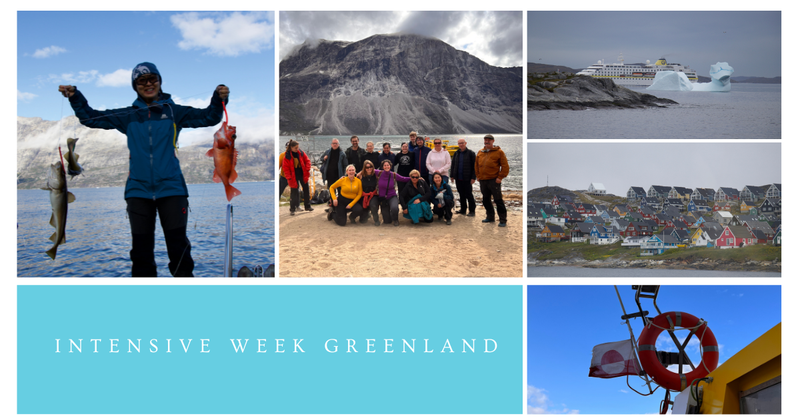
Intensive week in Greenland: June 5 – 12, 2026
The second week-long intensive program took place in Greenland.
Students reconvened for field activities, group project presentations, and discussions centred on community resilience, social sustainability, and policy development in the Arctic.
On completion of the course, students enrolled should be able to:
- Demonstrate understanding of the multifaceted local and global challenges facing the Arctic region
- Apply critical insight into how innovative and interdisciplinary approaches can be utilised to address challenges facing the Arctic region
- Analyze where opportunities lie in influencing policy-making in the Arctic and how best to approach policymakers in order to have a direct influence
- Evaluate where opportunities lie for young researchers to take on leadership roles in the Arctic
ARCADE is led by the University of Iceland, in collaboration with UiT The Arctic University of Norway, and Ilisimatusarfik – University of Greenland.
Partner institutions include the University of the Faroe Islands and the Arctic Initiative at Harvard Kennedy School of Government.